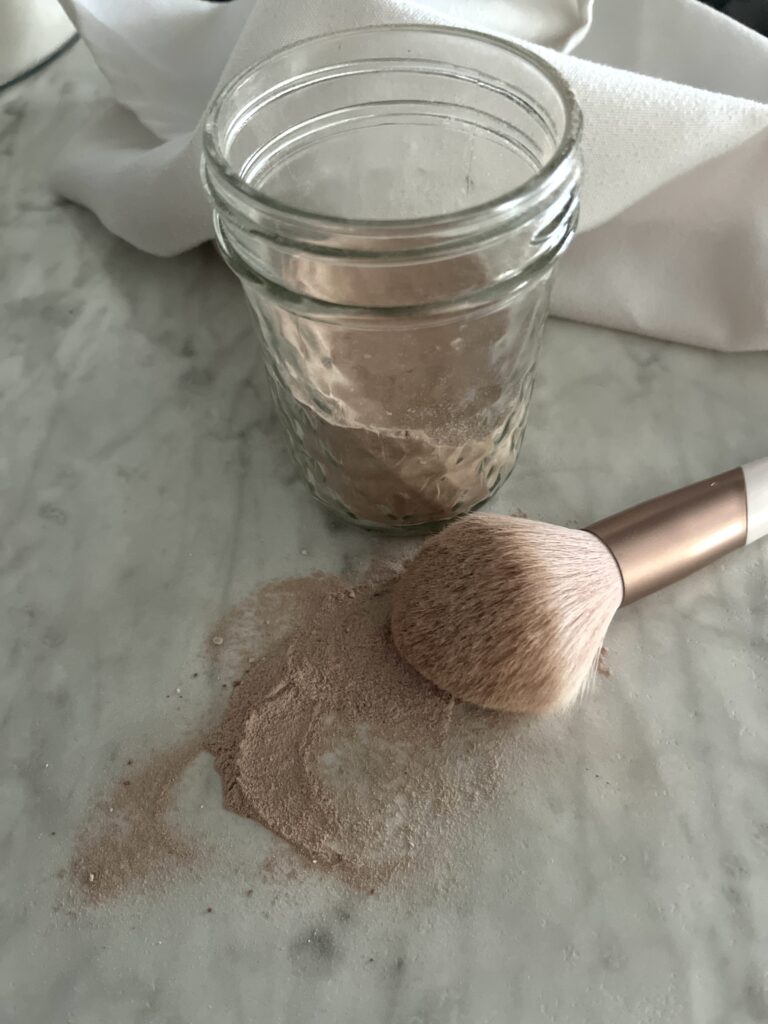
Looking for an alternative to aerosol can dry shampoo? Maybe just something that works with less chemical ingredients? Look no further. Here is how to make a natural DIY dry shampoo using what’s probably already in your pantry right now.
This post contains affiliate links, which means I make a small commission at no extra cost to you. Always shop small, local, and/or direct when you can, though!
Natural dry shampoo
Natural dry shampoo is really easy to make right in your own kitchen. You’ve likely got most of the ingredients there right now.
For my current light brown, sprinkled with grey hair:
1 tbsp Corn starch
1/8 cup Baking soda
1 tbsp Arrowroot powder
1 tbsp Cocoa powder or Cinnamon, give or take as needed for color
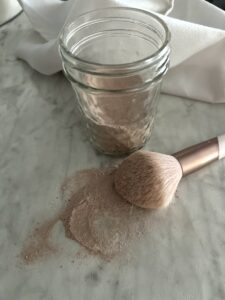
YIELD: These measurements are enough to put into a half pint jelly jar and use for about 1 month.
In this post, I’ll share with you a few recipes for natural dry shampoo. It is going to be up to you to test these ingredients to see which works best for your hair type.
Please see my Disclosure Statement. Always do your own research and vet the source.
I do color treat my hair and in the summer, it’s usually lighter/blonder. I will not use as much cocoa powder in that time.
The ingredients and why those
Corn starch
Corn starch is the main character in many premade dry shampoos. It is cheap and effective. Corn starch soaks up excess oils and even adds a little volume to your tresses.
Baking soda
Some dry shampoos call for baking soda which is excellent at soaking up oils but sometimes baking soda can soak up even the good natural oils, stripping your hair of what it needs. This can lead to hair damage with excessive use.
Those with color treated hair, baking soda is said to sometimes affect the color of your hair so beware using baking soda as not to waste your hard-earned money spent on a color treatment.
Dry shampoo with baking soda should be used sparingly. No more than once a week for normal to oily hair. If you already have dry hair, shy away from baking soda usage.
Arrowroot powder
Arrowroot powder in natural DIY dry shampoo is totally optional. As someone who dabbles in DIY natural skin care, I keep arrowroot powder on hand. It helps cut down on the greasiness of whipped tallow when I make that for skin care.
In dry shampoo, arrowroot powder soaks up oils just like other starches or flours. It is said to have been a dry shampoo agent dating back to the Victorian time period.
Cocoa powder and/or cinnamon
Both cocoa powder and cinnamon in a DIY dry shampoo recipe add a pleasant scent as well as color. This helps reduce the look of that weird grey/white color dry shampoo can leave on hair and down the part.
Additional ingredients to consider
There are so many natural options to soaking up oils in greasy hair in between hair wash days.
Some others include potato, tapioca, and rice starches, oat flour, cornmeal, different powdered herbs, natural clays like charcoal, kaolin, French green, bentonite and more; lemon juice, apple cider vinegar, even hand sanitizer.
Whatever natural ingredients you choose to use, do your own research for your hair type!
Adding color to DIY dry shampoo
If you have grey hair, this dry shampoo recipe is perfect for you! No colorants needed.
For light brown or dark blonde hair, you may add cocoa powder for added color.
For dark brown hair, add more cocoa powder.
For red hair, add cinnamon to your DIY dry shampoo jar.
For very dark or black hair, consider charcoal powder. Not only does this add color but it also soaks up grease.
Jump to RecipeHow to apply DIY dry shampoo
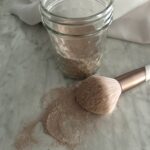
Applying DIY dry shampoo is simple but it does require a tool– a puffy blush brush.
Start by sectioning your hair, or flipping sections over your part, on both sides of your part. Shoot for 2-3 sections starting below the ear and working back up towards the scalp; the part being the last section of hair to coat.
Use the brush to dip into the jar of dry shampoo and tap it on the edge to get off excess powder. Start mid-shaft and brush the dry shampoo onto the hair moving downward. No need to go all the way to the ends. With the next pass, start closer to the root.
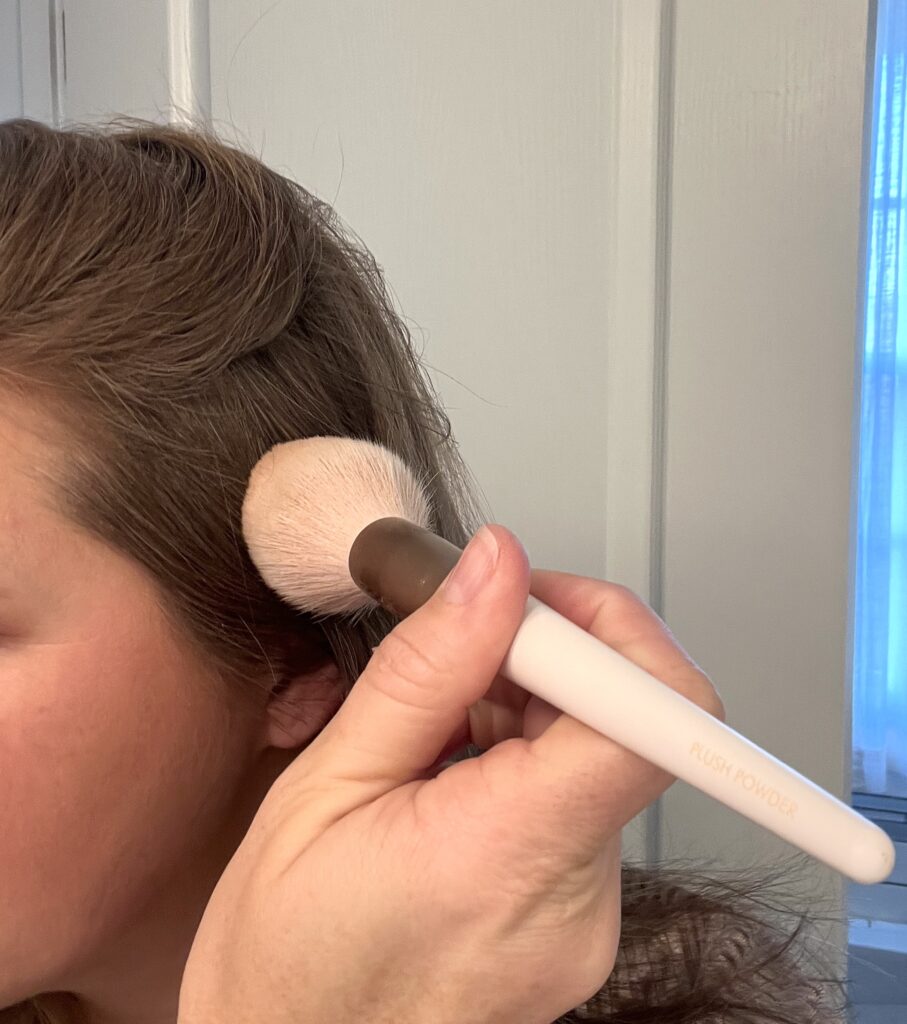
You may dust your roots and scalp lightly with the dry shampoo if your hair is extra greasy.
Once all sections, including the crown, are dusted with dry shampoo, use your har brush to gently brush your hair. This will disperse the powder down the shaft of your hair more evenly.
Style as you desire.
Weekly scalp treatment for hair growth

As a woman, it can feel as if some of our world revolves around hair wash day.
Using dry shampoo helps get me through when it’s summer or I had a particularly sweaty workout. Though sometimes with those situations, I will just rinse my hair with water in the shower; not use any foaming shampoo. Then let it air dry.
I’m 4 years into my hair training journey to only needing to wash 1 time a week. Here’s a quick summary of hair training:
Hair training
This likely needs a blog post all to itself. Hair training isn’t hard to do but it does take effort and a plan of action. You’ll also need a good ball cap or beanie for a month, depending on the time of year.
Hair training, simply put, is teaching your hair to only need washing once a week and using dry shampoo and hats in between wet shampoos.
Hair and scalp treatment
On hair wash day, I will do a scalp treatment. This includes a scalp and hair oil plus exfoliating my scalp to stimulate growth by removing dead skin cells and massaging the hair follicle.
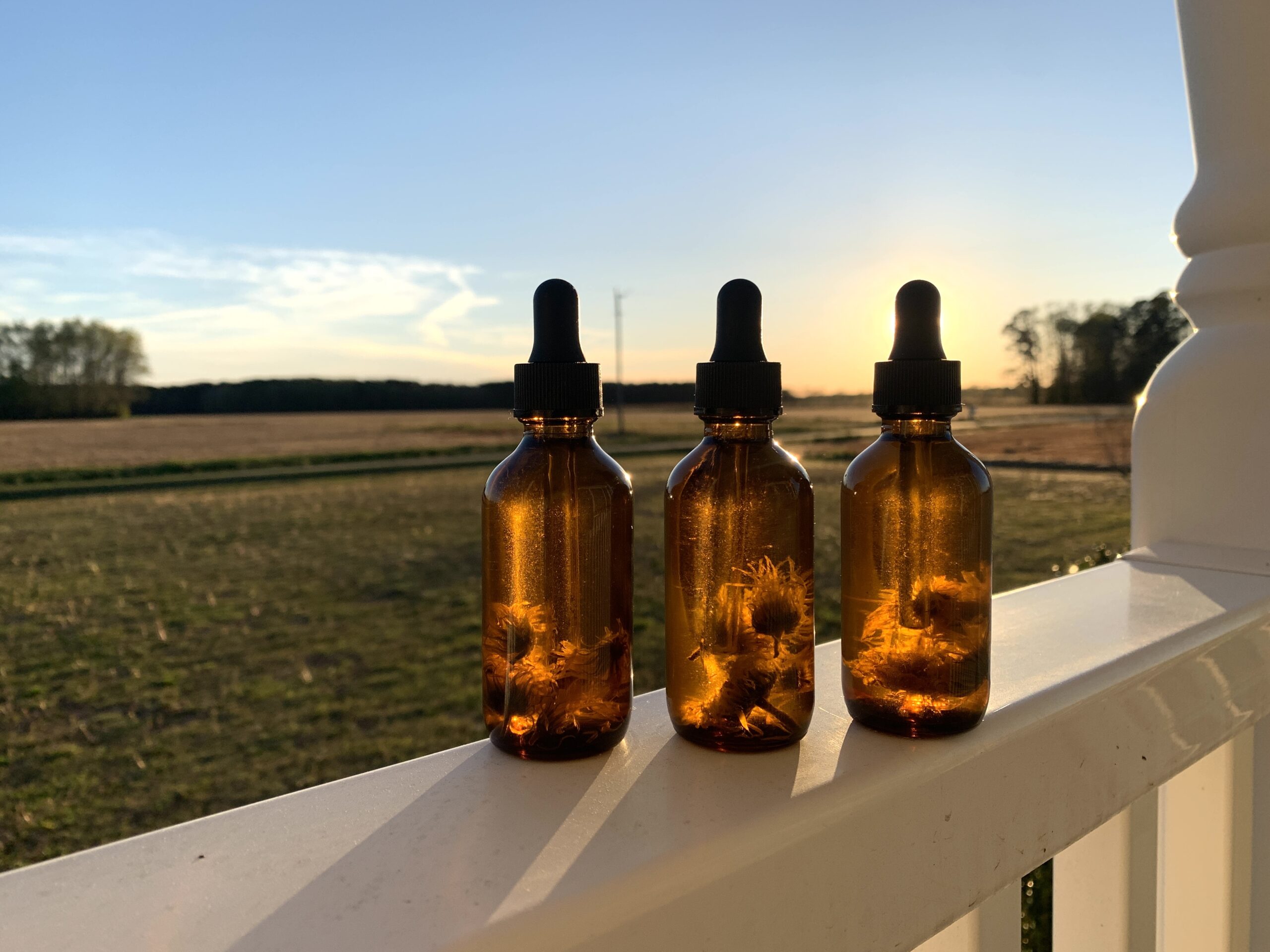
Hair and scalp oil treatment consists of a dropper bottle of jojoba oil and rosemary essential oil. Do some research on rosemary oil as it could potentially turn light or grey hair dark at the root when used consistently.
I use about 4 droppers full to treat my part (1), both sides of my head (2 more), and the back (last 1). Then use my fingers and/or this wooden comb to massage my scalp in circular motions. After that, I will clip up my hair with a claw clip and allow the treatment to sit for 30 minutes to one hour, depending on my day. Sometimes I will go ahead and do my at-home workout while the treatment sits.
Additionally, if you hair ends are feeling dry, you may put 1-2 droppers full of oil in your palm and run hair lightly between your palms to coat your hair ends. Then proceed with the clip up to set for up to an hour.
When the time is up, take down your hair from the claw clip and use this scalp brush to gently brush your scalp. It will lift up dead skin and build up from your scalp so that it can be washed away when wet shampooing. Then wet shampoo and condition hair as usual.
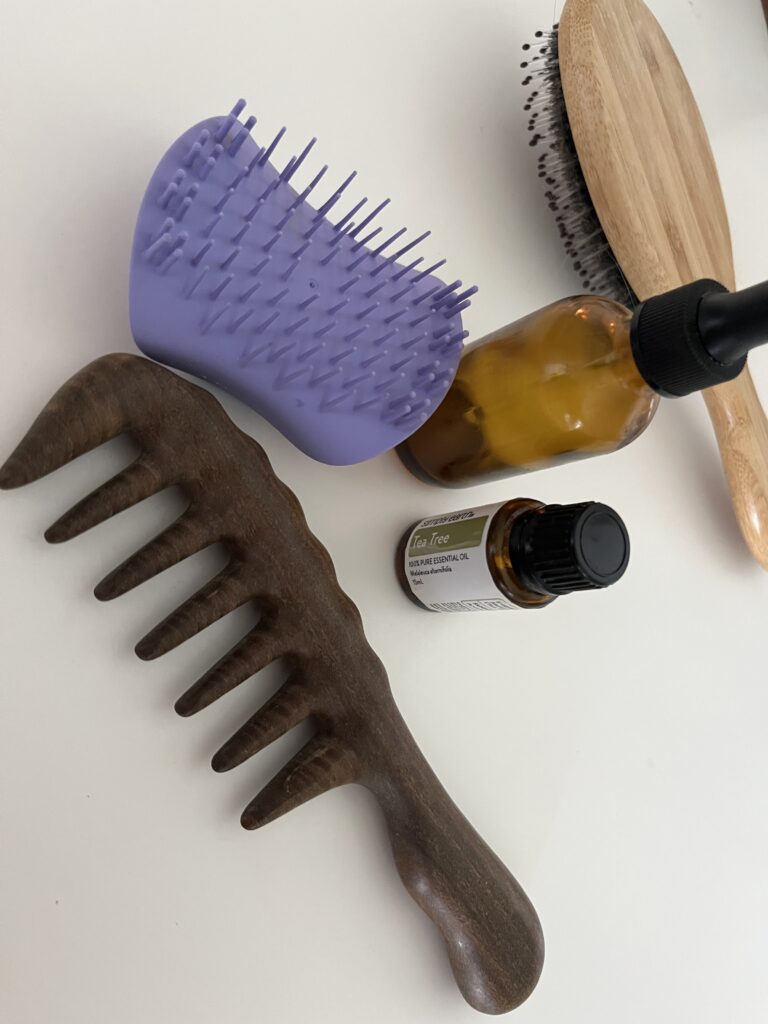
Alternatively to rosemary essential oil, tea tree essential oil is an option. It is said to help with dandruff and hair growth. Do not apply tea tree to skin or scalp without a carrier oil. Do not use if sensitive. Perhaps consider testing the tea tree oil in a patch test area to check for sensitivities first.
Making your own calendula oil can be used on hair and skin.
When can I use DIY dry shampoo?
Dry shampoo can be used as needed.
Best practice would be to only use AS you truly need it and to use it the night before as a pre-dry shampoo to absorb well and not leave that grey or dull hue on your hair.
DIY dry shampoo is totally fine to use any time you need it, though.
Dry shampoo is a temporary tie over until real shampoo day. Use only as needed and sparingly as not to totally strip your hair of the natural oils it needs.
SHOP THIS POST
Wooden sandalwood comb for scalp massaging and combing curly hair
Tangle Teezer scalp comb for cleaning scalp
Rosemary and Tea Tree essential oil
Dropper bottles for making your own hair and scalp oil
Jojoba oil (fun fact: pronounced ho-ho-bah)
Follow along for more natural cleaning
Feel free to follow Johnson Home NC on Facebook, Instagram, Pinterest, and YouTube.
Allow me to slip into your email inbox weekly with kitchen, gardening, natural cleaning, and chicken raising real time happenings from our one acre North Carolina homestead right to you by joining our email list HERE.
DIY Natural Dry Shampoo
Equipment
- 1 half pint jelly jar or the small jelly jars
- 1 whisk or lid it and shake well
Materials
- 1 tbsp Corn starch
- 1/8 cup Baking soda
- 1 tbsp Arrowroot powder
- 1 tbsp Cocoa powder or Cinnamon give or take as needed for color
Instructions
- Add all ingredients in a small jelly car.
- Add a lid and shake the ingredients well or use a small whisk to incorporate ingredients.
- Do not get ingredients within the jar wet.
- Use as needed.
Notes